
What Is Walk and Talk Therapy? A Complete Guide for Californians Who’d Rather Be Outside
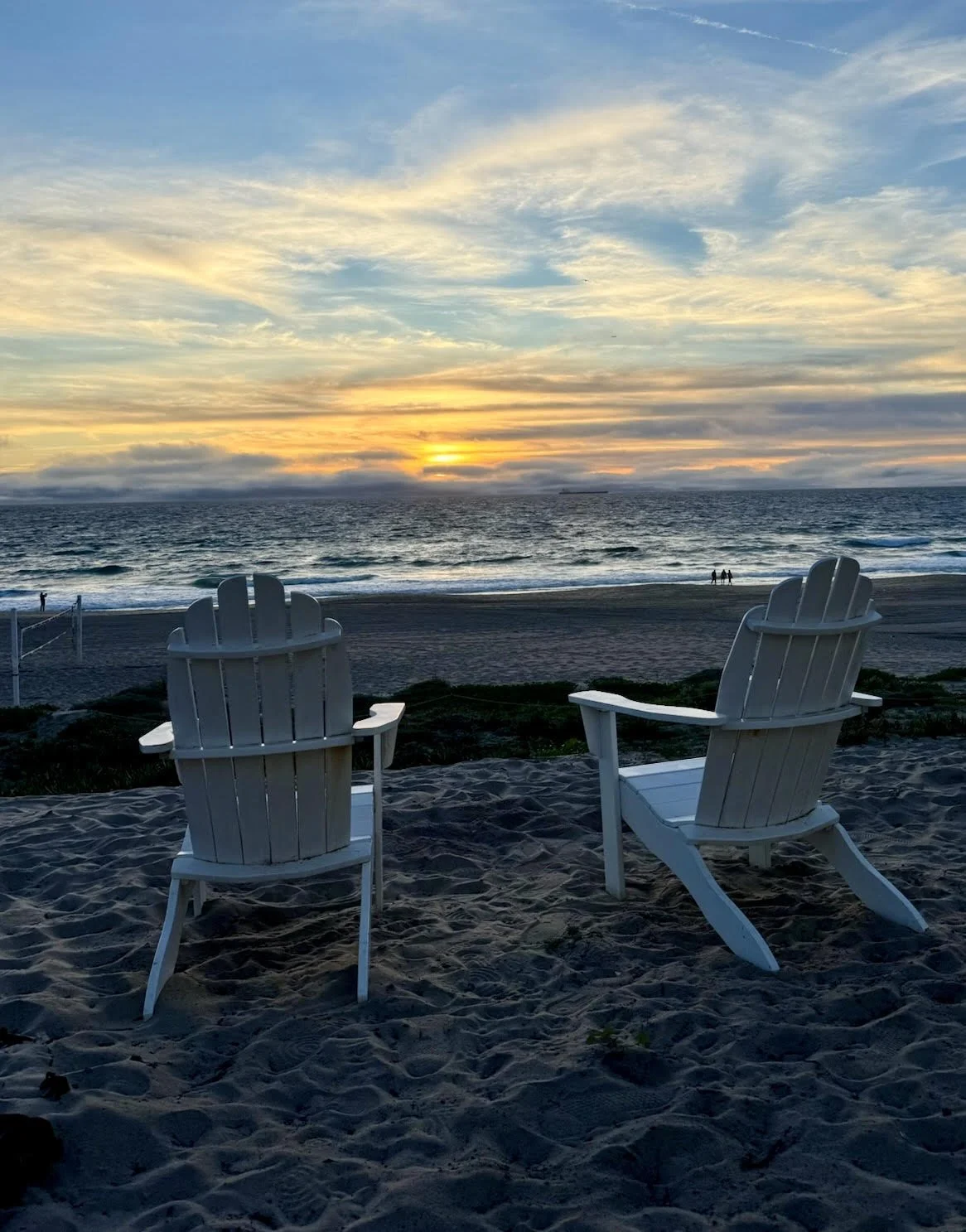
Picture a typical therapy session: a room, a chair, a box of tissues on a side table. Now picture this instead: a quiet path, the sound of the ocean in the distance, your feet moving at whatever pace feels right, and a conversation that unfolds the way conversations usually do - not as a performance, but as something real.
That's walk and talk therapy. And for a lot of people, it changes everything.
What is walk and talk therapy?
Walk and talk therapy is therapy that takes place outdoors, while walking. Instead of sitting across from a therapist in an office, you walk side by side through a park, along a path, down the Strand, or on the sand by the water. The session covers the same emotional ground (your relationships, your history, your pain, your goals) but it does so in the fresh air while moving, away from the environment that can make traditional offices feel clinical or exposing.
At Ultreya Counseling, walk and talk sessions take place in quiet, low-traffic outdoor settings in the South Bay. Sessions are the same length as traditional appointments and go to the same depth of therapeutic work. The difference is the container that therapy is held in. And as in other areas, how you hold something is as important as what you actually hold. The process matters.
Who is walk and talk therapy for?
Walk and talk therapy works especially well for people who:
• Find it hard to open up when sitting directly across from someone
• Are resistant to or burned out on traditional therapy formats
• Benefit from movement as part of their emotional regulation
• Are processing grief, life transitions, or anxiety
• Are teenagers or young adults who feel more comfortable in informal settings
• Simply prefer being outside (and live in a place that it works to do so)
It's also an excellent fit for people who carry their stress in their bodies (i.e., those who notice physical tension, shallow breathing, or a nervous system that stays activated even when life is calm.) Movement helps.
What does a session actually look like?
Before your first session, you and your therapist will agree on a location that works for both of you - a neighborhood path, a park, a beach trail. Sessions typically start with a brief check-in while you settle into the rhythm of walking, and then move naturally into whatever you've been carrying.
There's no couch, no clock on the wall, no sense that you're being observed through a clinical lens. Conversation tends to unfold more organically outdoors. Silences don't feel as loaded, transitions feel more natural, and the forward momentum of walking often mirrors the forward momentum of the work itself.
Sessions run the standard 50 minutes. If the weather is questionable, your therapist will be in touch ahead of time to switch to telehealth. Confidentiality applies fully. Everything you discuss outdoors is protected the same way it would be indoors.
The science: why does nature actually help?
This isn't just anecdotal. A substantial and growing body of research supports what many people already know intuitively: being in nature is good for mental health, and movement amplifies therapeutic work.
Walking activates bilateral stimulation of the brain (the same mechanism used in EMDR therapy) which can help people process difficult memories and emotions more fluidly. Studies have consistently found that even brief time in natural environments reduces cortisol (the primary stress hormone), lowers blood pressure, and improves mood. Research on 'green exercise' (physical activity in natural settings) shows additive benefits beyond either movement or nature alone.
There's also something relational about side-by-side walking. The absence of direct face-to-face eye contact removes a layer of social pressure. Think of the conversations that happen when you’re sitting next to someone in a car. Many clients find they can say things while looking forward that they couldn't quite manage to express when face to face. The rhythm of walking creates its own momentum (both physically and emotionally) and that momentum often helps stuck material begin to move.
Practical questions, honestly answered
What do I wear?
Whatever you'd wear on a casual walk. Comfortable shoes and weather-appropriate layers are all you need.
What if it rains?
We keep an eye on the weather together. If conditions aren't suitable, we'll switch to telehealth for that session with plenty of notice.
Is it confidential? What if we see someone I know?
Confidentiality applies to everything discussed during walk and talk sessions, exactly as it would indoors. If you encounter someone you know, you decide entirely how to handle the interaction. There's no obligation to introduce your therapist or explain what you're doing.
Is walk and talk therapy appropriate for trauma?
Yes, for many people. The combination of movement, nature, and bilateral stimulation can actually support trauma processing. We'll discuss whether it's the right fit for your specific situation before beginning.
Do you offer walk and talk for kids and teens too?
Yes. Walk and talk therapy is especially effective with adolescents who find traditional office settings uncomfortable. Read more in our post on teen counseling.
Curious whether walk and talk therapy could be right for you? Book a free 20-minute consultation at ultreyacounseling.com. We serve clients in Manhattan Beach, Hermosa Beach, Redondo Beach, and across the South Bay.
