
Why Talking About It in a Room Doesn’t Always Work
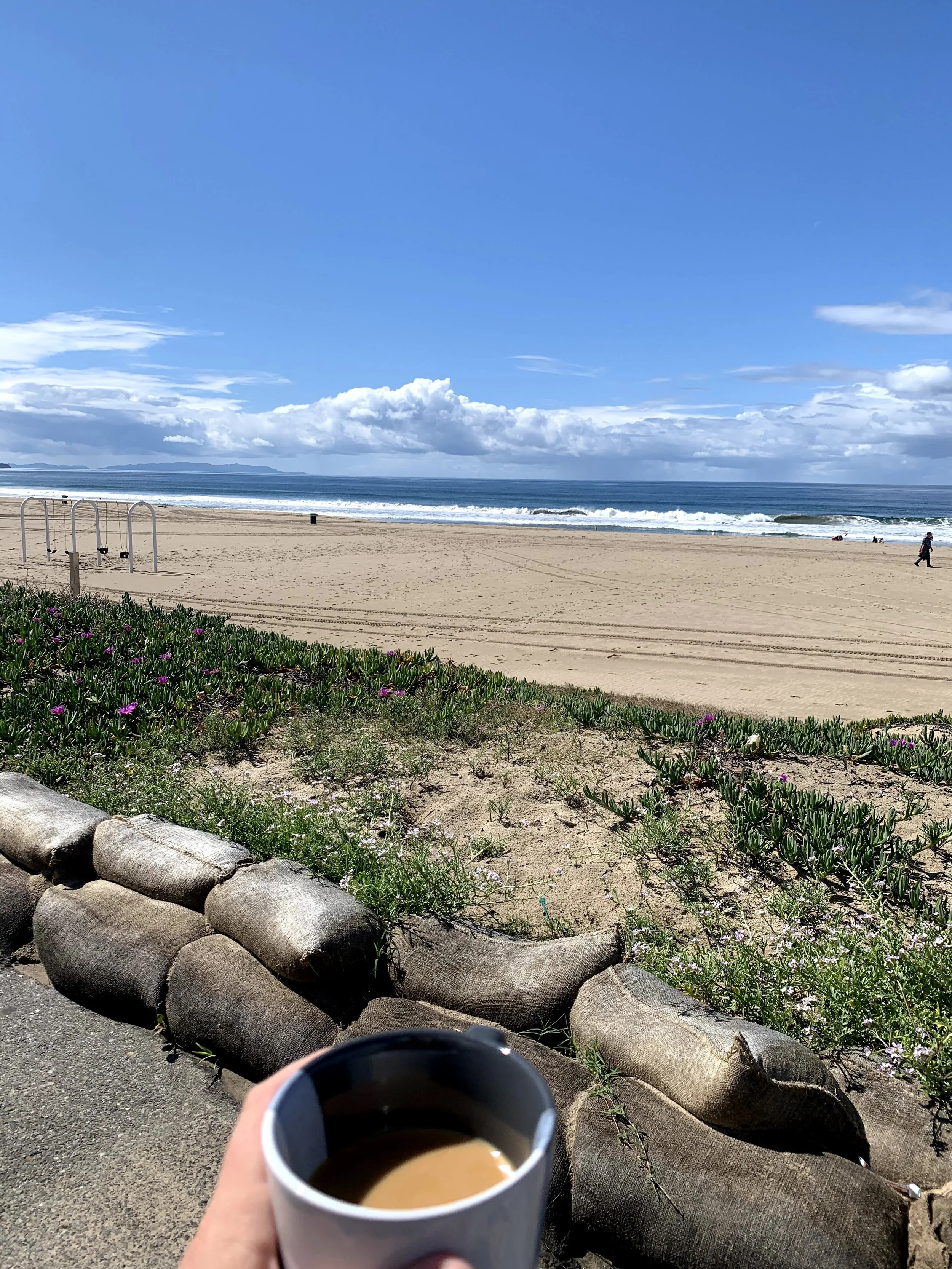
A cup of coffee in a mug looking out over a blue sky, ocean, and sand
Maybe you've tried therapy before. You sat in a beige office, looked at a stranger across a coffee table, and waited to feel something shift. Maybe it helped a little. Maybe it didn't. Maybe you left each session feeling like you'd described your problems without actually touching them.
Or maybe you've never tried therapy at all because the whole idea of it feels artificial, clinical, unsettling, or simply not built for someone like you.
Either way, you're not alone, and you're not broken for feeling that way. The truth is, the traditional therapy model (weekly fifty-minute sessions in a closed office) doesn't work for everyone - not because therapy doesn't work, but because healing isn't one-size-fits-all.
The body knows what the mind can't always say
For decades, talk therapy operated under a fairly simple premise: if you can put words to what happened, you can process it. And as you process it, you can do something different - you can change, you can find healing. For many people, that's true. But research in trauma, neuroscience, and somatics has made clear that the body holds experiences - what happened TO us, and in us, and through us - that language can't always reach.
When you've been through something difficult - loss, trauma, prolonged stress, a life that hasn't gone the way you planned - your nervous system remembers it. That tension in your shoulders. The way your stomach clenches before certain conversations. The exhaustion that has no obvious cause. These aren't just symptoms. They're your body communicating. Healing that only happens from the neck up misses a lot.
When the setting gets in the way
There's also something worth naming about the setting itself. For many people (especially those from cultures where mental health carries stigma, or those who've experienced harm in institutional spaces) a clinical environment can add to your distress rather than bring peace and calm. Sitting under fluorescent lights, maintaining eye contact with someone you've just met, talking about the most painful parts of your life: it can feel like a performance of vulnerability rather than the real thing. That doesn't mean you don't want help. It just means the container hasn't fit.
Does it matter whether therapy is in-person or online?
One of the most common questions people have when exploring therapy is whether telehealth is 'as good' as sitting in a room with someone. The short answer, based on a growing body of research, is yes. For most people and most concerns, telehealth therapy produces outcomes comparable to in-person care.
Multiple large studies have found that video-based therapy is equally effective for anxiety, depression, PTSD, and relationship concerns. Some people actually find the telehealth format easier to open up in. There's no commute, no waiting room, and sessions can happen in a space that already feels safe. For others, especially those processing somatic or body-based trauma, the in-person or outdoor format allows for a depth of physical attunement that a screen doesn't quite replicate.
The honest answer is, the best format is the one you'll actually use. At Ultreya Counseling, we offer both telehealth and walk-and-talk therapy because we believe the container should serve the work, not the other way around.
Healing can look different
At Ultreya Counseling, we offer therapy that adapts to you, not the other way around. That means meeting people in spaces that feel safe, using approaches that engage the whole person, and recognizing that connection and trust are the foundation of any real therapeutic work. Some clients do their best work walking side by side on a beach path. Others prefer the ease of telehealth. Many carry cultural histories that shape how they understand themselves and their pain, and they need a therapist who doesn't require a crash course before the real work can begin.
Frequently asked questions
What if I've tried therapy before and it didn't help?
That's a very common starting point. It often means the approach, the therapist, or the setting wasn't the right fit, not that therapy itself can't help you. We offer a free 20-minute consultation so you can get a sense of fit before committing to anything.
Can I switch between telehealth and in-person sessions?
Yes. Many clients use a mix depending on the week: telehealth when life is busy, walk-and-talk when they want to move. We build that flexibility in from the start.
Do you offer sessions in Spanish?
Yes. Ben offers therapy in both English and Spanish and has deep personal and professional experience with bicultural communities.
Ultreya Counseling serves clients in Manhattan Beach, Hermosa Beach, Redondo Beach, Torrance, El Segundo, and Palos Verdes — in person and via telehealth across California. Book a free consultation at ultreyacounseling.com.
